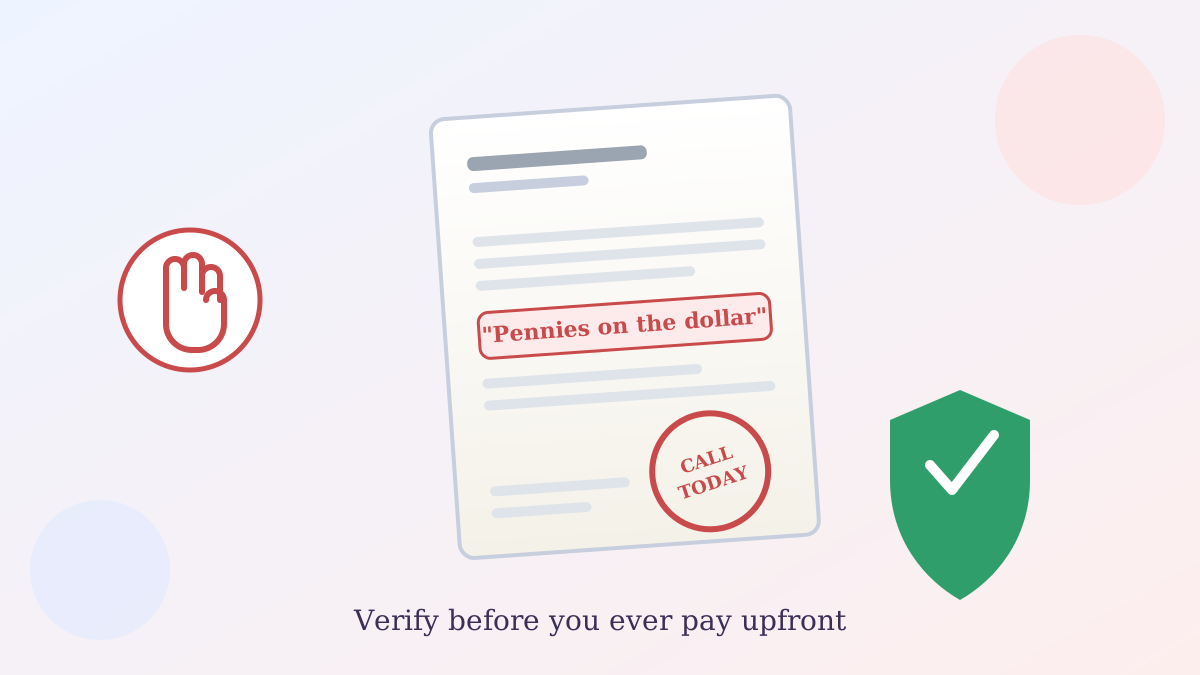
Say a fat envelope shows up in your mailbox — official-looking letterhead, a deadline stamped in red, a warning that the IRS could seize your property unless you call today. The company on the letter says it can settle your tax debt for pennies on the dollar. Sounds like a lifeline. That's the exact tax debt relief scam pennies on the dollar promise the FTC has been warning about all summer, and I want to walk through how to tell the real thing from the trap.
The one check that matters most
Before you say yes to anyone, do this: hang up, don't pay anything upfront, and call the IRS or your state comptroller yourself, using a number you looked up on your own, not the one printed on their letter. Only the IRS or your state's revenue department can actually decide what you qualify for. A private company guessing your discount before it's even seen your file is a guess, not a deal.
Why "pennies on the dollar" is the giveaway phrase
Real tax relief programs do exist, and the IRS even has a name for one, an "offer in compromise." But approval depends entirely on your specific income, assets, and expenses. No company can honestly promise a number before they've reviewed your actual IRS records.
The FTC just settled with a company called American Tax Service for nearly $10 million after finding it mailed threatening letters that impersonated the government, then sold worried taxpayers on relief that mostly never happened.
How the pitch usually goes
- A letter or ad claims you already "qualify" for a special reduction program.
- A caller creates urgency: "the deadline is Friday" or "your wages could be garnished this week."
- They ask for a service fee, sometimes thousands of dollars, before doing anything at all.
- Later, when you ask what happened to your case, there's no straight answer.
That combination, pressure plus payment before help, is the tell every time, the same pattern behind the refund and recovery calls that target people who already lost money once.
What legitimate help actually looks like
- No guaranteed dollar amount before reviewing your real tax records.
- No demand to pay the entire fee upfront, no matter how urgent they make it sound.
- Free help is available through the IRS's Taxpayer Advocate Service, or your own state comptroller's office.
If a caller or letter skips straight to the guarantee, treat it the same way you'd treat an unexpected invoice email: a claim to check, not a fact to act on.
If you already paid a suspicious company
Contact your card issuer or bank about disputing the charge, and file a report at ReportFraud.ftc.gov. If you gave out a Social Security number, start a plan at IdentityTheft.gov too, the same advice that applies after the bill-pay impersonator ads we've covered before.
Owing back taxes is stressful enough without a fake shortcut making it worse. A two-minute call to verify saves you a much longer cleanup later.
Sources
- Federal Trade Commission: Struggling with tax debt? Here's what to know (August 2026 consumer alert)
- Federal Trade Commission: Scams