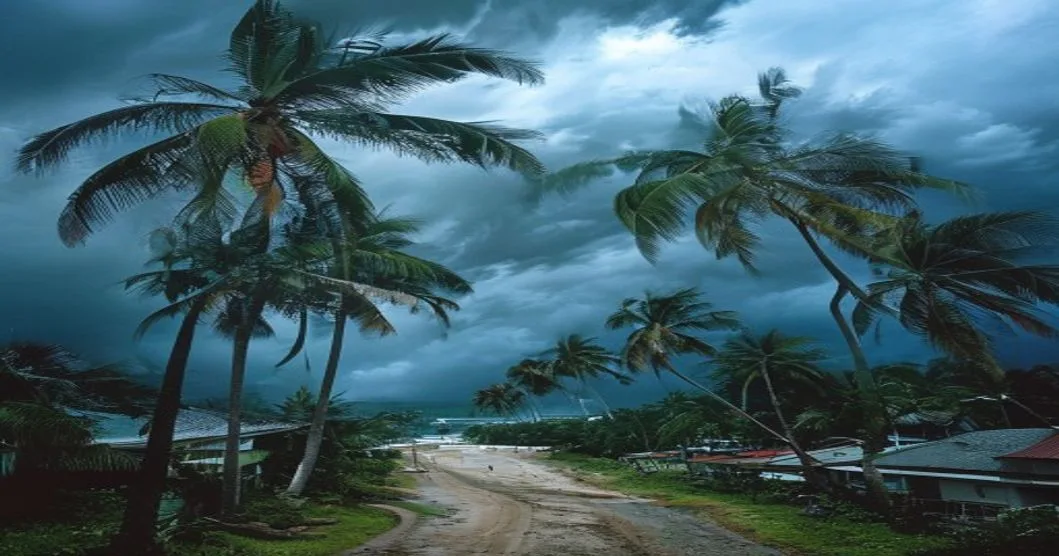
Hurricane prep works best when it's done before a storm is bearing down on you, not during the last frantic hours. Here's what actually matters, in order.
Days before: the big decisions
- Know your evacuation zone. Local emergency management agencies publish zone maps — check yours before storm season, not during it.
- Plan where you'd go if evacuation is ordered, and how you'd get there. Have a backup route in case the main one is congested or flooded.
- Review your insurance. Flood damage typically isn't covered by standard homeowners' insurance — it requires separate flood insurance, which usually has a waiting period before it takes effect.
The supply checklist
- Water: one gallon per person per day, enough for at least three days, more if you might be without power longer
- Non-perishable food for the same period, plus a manual can opener
- Flashlights and batteries (skip candles — fire risk during storms is a real, avoidable hazard)
- A battery-powered or hand-crank radio for updates if the power and cell towers go down
- A first-aid kit and any prescription medications, at least a week's supply
- Cash in small bills — card readers and ATMs may not work without power
- Phone chargers and a portable battery pack, charged in advance
- Copies of important documents (ID, insurance policies, medical records) in a waterproof bag
The day before
- Charge every device and battery pack fully
- Fill your car's gas tank — stations can run out or lose power fast once a storm is close
- Bring in or secure anything outside that could become a projectile in high wind: patio furniture, planters, decorations
- Fill bathtubs with water for washing and flushing if the water supply is disrupted
During the storm
- Stay away from windows, even if they're boarded or shuttered
- Do not go outside during a lull — the calm "eye" of the storm is temporary, and conditions can return violently
- If told to evacuate, go — staying behind after an evacuation order significantly raises the risk to both you and first responders
The takeaway
None of this requires special equipment or expertise — it's mostly about doing the obvious things early instead of late. Water, food, a charged phone, a plan for where you'd go, and insurance you actually checked in advance cover the large majority of what matters.
FEMA's Ready.gov hurricane guide has a printable version of this kind of checklist plus region-specific guidance. It's also worth knowing the difference between a tornado watch and a tornado warning, since severe storms can spin up tornadoes as a secondary hazard.